


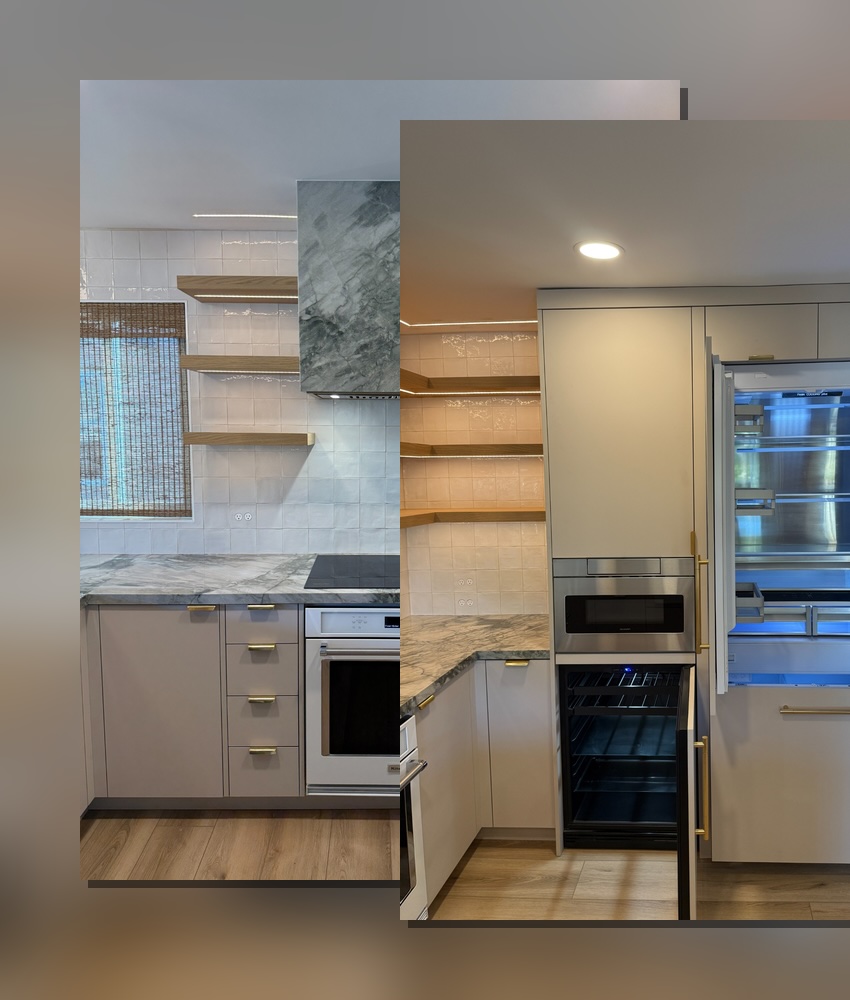
If you own a rental property in Carlsbad, Encinitas, Oceanside, or anywhere in North County San Diego, you’ve probably noticed that tenant expectations keep rising. “Move-in ready” no longer just means clean and freshly painted. It means the basics are there, working, and reliable—especially in the kitchen.
California just made that expectation the legal minimum.
Starting with leases that are entered into, amended, or extended on or after January 1, 2026, AB 628 updates California’s habitability standards to require that every residential rental unit be provided with a working stove and a working refrigerator.
This law takes something that was often treated as optional or negotiable and makes it part of the legal definition of a “tenantable” rental property.
For North County landlords, this is less about panic and more about preparation. Most owners already provide appliances. AB 628 just tightens the rules and removes gray areas that used to cause confusion or disputes.
What AB 628 actually changes:
Before AB 628, California law required landlords to provide a unit that was “habitable,” but appliances like refrigerators lived in a strange middle ground. Some owners provided them, some didn’t. Some leases shifted responsibility to tenants. Some listings advertised “no refrigerator provided” as normal.
That era is ending.
Under AB 628:
- A stove and refrigerator are now considered essential habitability items
- A rental unit is not legally “tenantable” without them
- This applies to new leases, lease extensions, and lease amendments signed on or after January 1, 2026
This means even if a tenant is already in place, signing a lease extension or modifying the lease can trigger the requirement.
What “working” really means:
The law doesn’t require luxury appliances. It requires functional ones.
“Working” means:
- The stove heats safely and consistently
- The refrigerator cools properly and seals correctly
- There are no known safety issues
- The appliance does what it’s supposed to do
In practice, you should be able to confidently say:
“Yes, this appliance was fully functional on move-in day.”
That means testing it, photographing it, and documenting it during your move-in inspection. This is simple, but it protects you if there is ever a dispute.
Why this matters in Carlsbad and coastal North County
North County rentals are different than much of California. Higher rents, more condos and HOAs, more professional tenants, and higher expectations for quality and service.
Most of your tenants already assume a refrigerator and stove are included. AB 628 just removes any remaining ambiguity.
This law won’t feel disruptive if your properties are already well-managed. It mainly impacts older units, self-managed properties, listings that previously excluded appliances, and owners who relied on “tenant brings their own” as a permanent solution.
Can a tenant bring their own refrigerator? Yes.
Can they change their mind? Also yes.
This is one of the most important and misunderstood parts of AB 628.
The law allows a tenant to bring their own refrigerator if they choose to do so at lease signing. This is common in North County with higher-end tenants who already own appliances they prefer. That flexibility still exists.
But here’s the part many owners miss:
If a tenant later decides they want the landlord to provide a refrigerator, you must comply.
The lease must allow the tenant to give written notice, and once they do, the landlord has 30 days to install a working refrigerator. There’s no exception, no loophole, and no way to lock them into their original decision.
So even if:
- The tenant checked a box saying they’ll bring their own fridge
- They’ve been using their own fridge for months or years
- They originally insisted they didn’t want yours
They can still change their mind later. And when they do, the law says you must provide one.
A few other important points:
- You cannot require a tenant to bring their own refrigerator as a condition of renting
- You are not responsible for maintaining or repairing a fridge that the tenant supplies
- Once the tenant requests a landlord-provided refrigerator, responsibility shifts back to you
Think of tenant-provided refrigerators as a convenience, not a permanent solution. It’s optional for the tenant, reversible at any time, and ultimately the responsibility always stays with the landlord.
This is exactly why your lease language and documentation matter.
What about the stove?
Unlike refrigerators, the stove is treated as a core safety appliance. In most cases, you should assume:
- The stove must be landlord-provided
- It must be in working order
- It must meet safety standards
Trying to shift stove responsibility to tenants creates risk and confusion. It’s best treated as non-negotiable.
Recalled appliances matter now
AB 628 also ties into appliance safety recalls. If a stove or refrigerator has been officially recalled, it’s no longer considered safe or “working” for habitability purposes. Once you’re aware of a recall:
- Replacement or repair should be treated as urgent
- Waiting until the next turnover is risky
- Documentation matters
This is one more reason to know exactly what models are installed in your properties.
The North County landlord playbook for AB 628:
Set an appliance standard. Decide your baseline for size, finish, electric vs gas, energy efficiency, and space constraints. Consistency saves money and simplifies turnover.
Budget appliances into turnover planning. Replacing a fridge or stove is easiest when the unit is vacant and vendors can work freely. Mid-tenancy installs are always more expensive and disruptive.
Document everything at move-in. Take photos, record serial numbers, test functionality, and note condition in your inspection. Your file should instantly answer: “Was the required appliance provided and working on day one?”
Use proper lease language for tenant-provided refrigerators. It must be voluntary, documented, explain the tenant’s right to later request one, and you must be prepared to install one within 30 days if they ask.
Common questions from North County owners:
“Do I have to replace all my appliances right now?”
No. Only working appliances are required. Age alone doesn’t matter.
“What if the unit has hookups but no fridge?”
That won’t be sufficient after 2026 for leases that trigger AB 628.
“Does a lease extension trigger this?”
Yes. Extensions, amendments, and new leases all fall under the law.
“Can I just credit the tenant and let them buy one?”
No. The appliance must be provided and maintained by the landlord unless the tenant voluntarily supplies their own refrigerator, and even then they can later request yours.
Why this law is actually good for well-run rentals:
AB 628 reduces conflict. It clarifies expectations. It removes ambiguity that used to lead to disputes, repairs by argument, tenants feeling misled, and owners feeling blindsided.
When the rules are clear, management becomes simpler.
Final thoughts for Carlsbad and North County landlords:
This law isn’t about punishing owners. It’s about defining a baseline that already exists in most professionally managed rentals.
If you provide clean, working appliances, document their condition, use strong lease language, and treat tenant-provided refrigerators as optional and reversible, you will be fully compliant and ahead of the curve.
AB 628 is one of those laws that feels complicated when you first read it, but simple when you operationalize it.
And in North County’s competitive rental market, doing things right isn’t just legal compliance—it’s part of running a premium rental business.